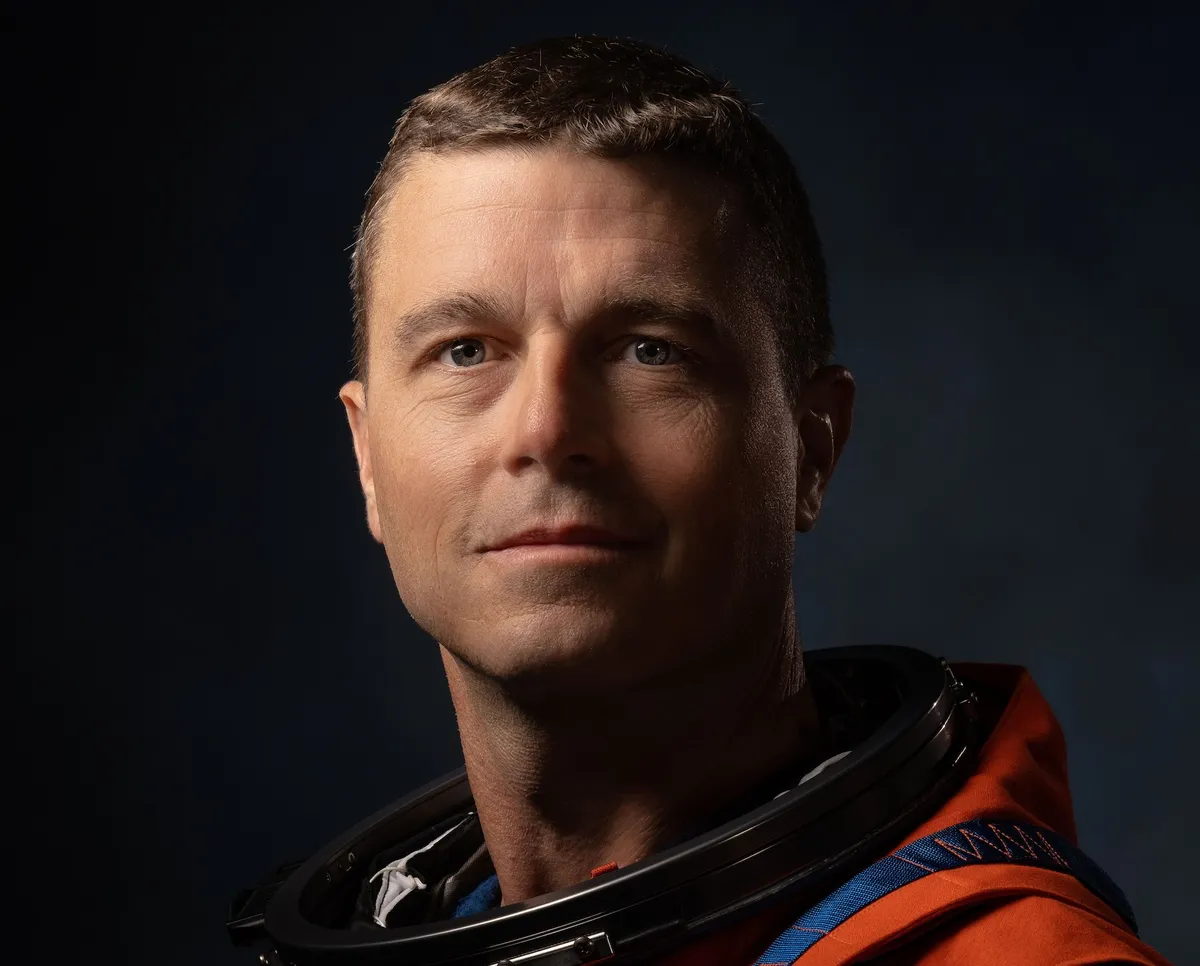
For the first time since 1972, humans return to the vicinity of the Moon — on a historic 10-day journey that will set new records and milestones.
Artemis II is the second mission of the Artemis program and the first crewed flight. Four astronauts will fly aboard the Orion spacecraft on a free-return trajectory around the Moon — without landing — and safely return to Earth.
ADDITIONAL LAUNCH WINDOWS: APR 3–6 · APR 30, 2026
The Artemis II crew combines 660 days of collective spaceflight experience and 12 spacewalks. They will set several historic milestones — for women, people of color, and international spaceflight.
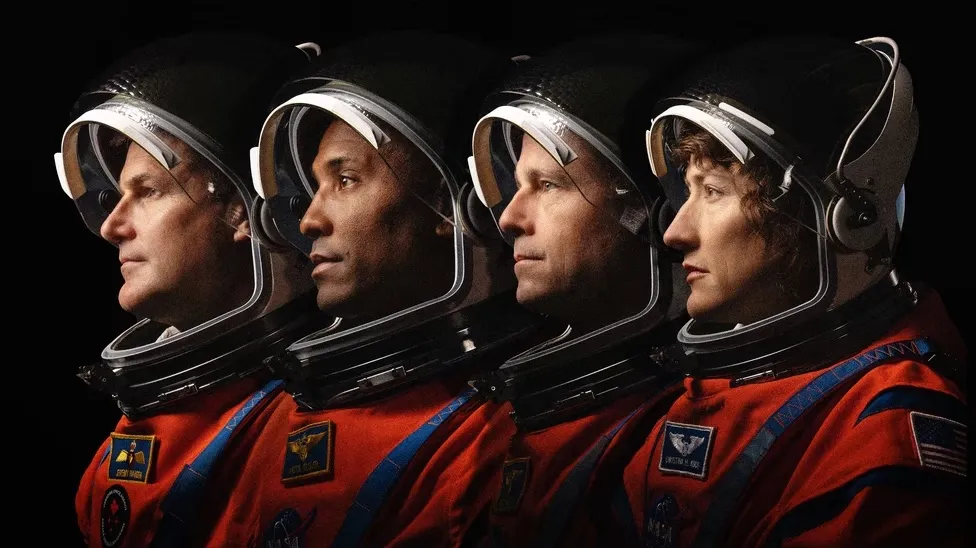
Former US Navy test pilot and NASA astronaut since 2009. Spent 165 days aboard the ISS during Expedition 40/41. As Commander, he holds overall responsibility for all mission decisions.
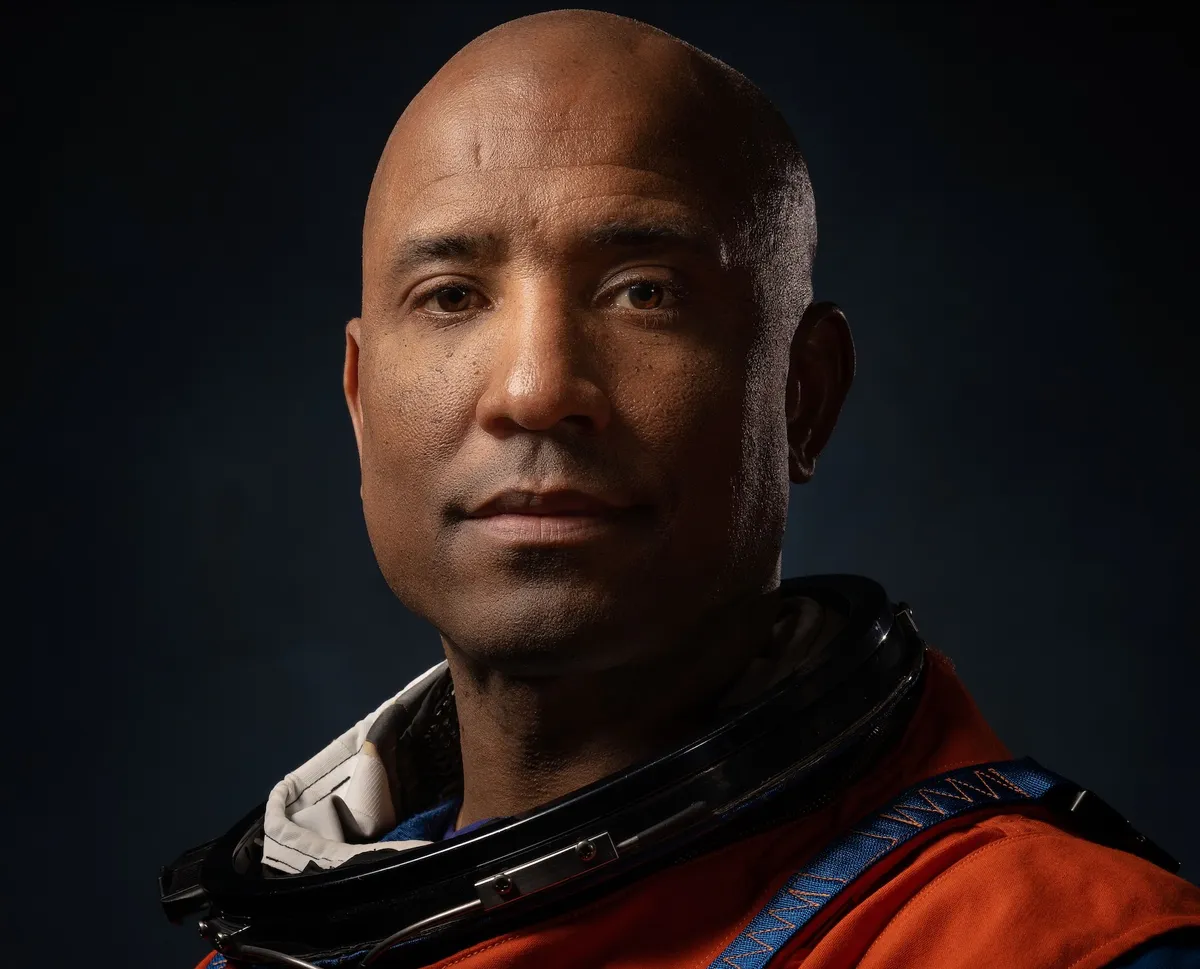
NASA astronaut since 2013, US Navy fighter pilot. Flew SpaceX Crew-1 (2020–21), 168 days on the ISS. He pilots Orion to the Moon and will be the first Black human to leave Earth orbit.
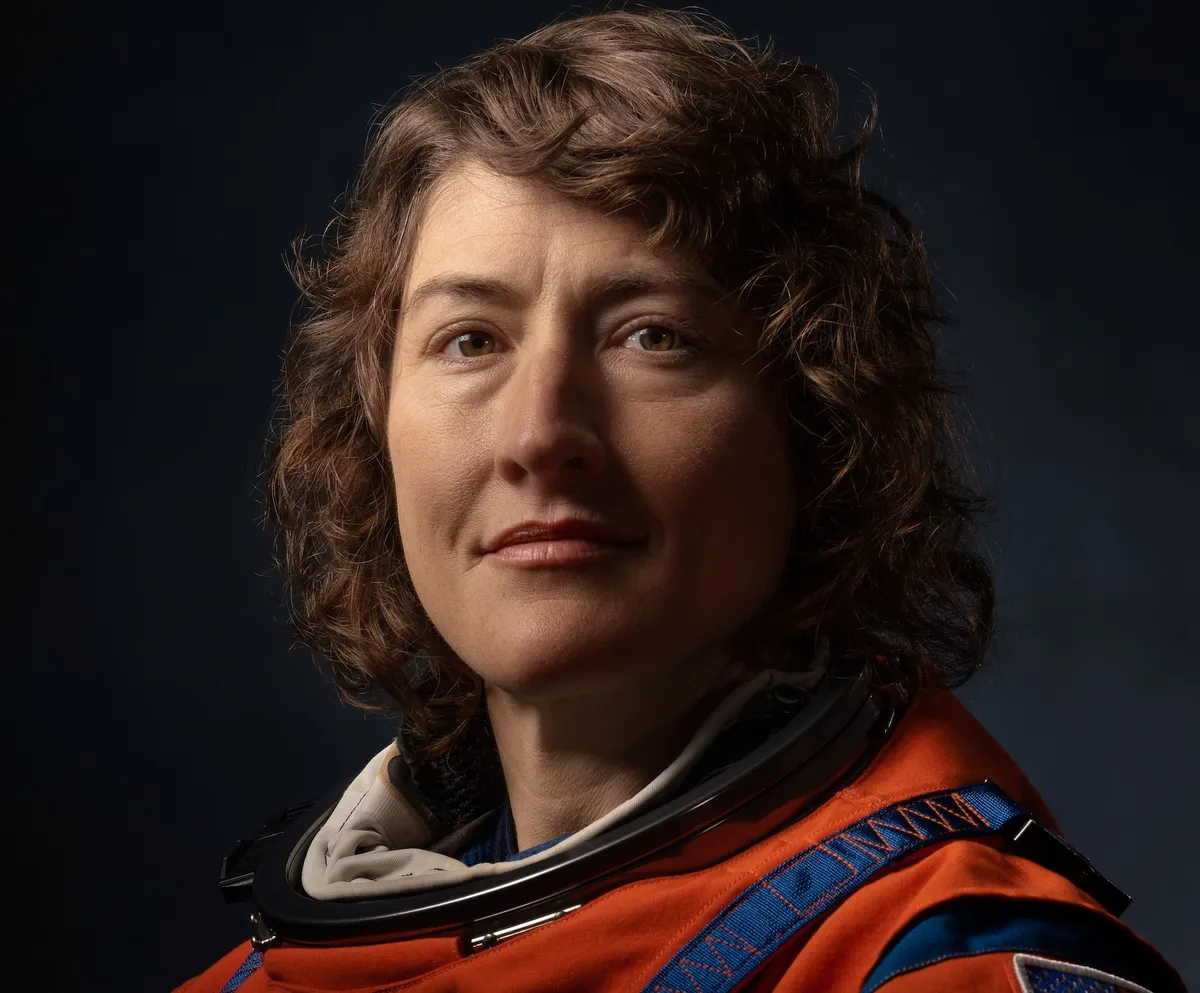
Engineer & NASA astronaut since 2013. World record: 328 consecutive days in space (longest solo stay by a woman). First all-female spacewalk. Will be the first woman ever to travel to the vicinity of the Moon.
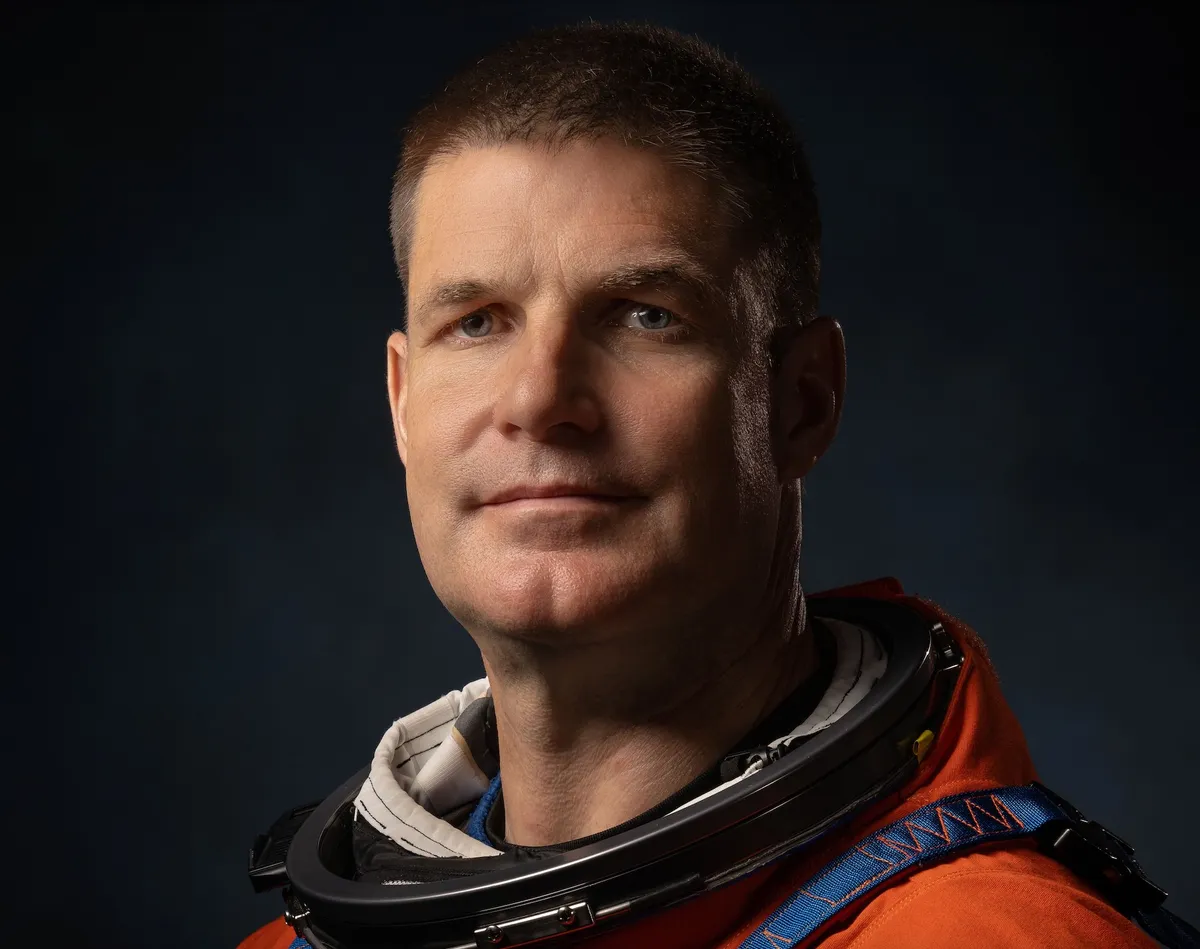
RCAF fighter pilot and CSA astronaut since 2009. Artemis II will be his very first spaceflight — straight to the Moon. First non-American ever to leave Earth orbit and reach the Moon.
"We are going back to the Moon — not just to visit, but to stay. Artemis II is the bridge between where we've been and where we're going." — NASA ARTEMIS PROGRAM
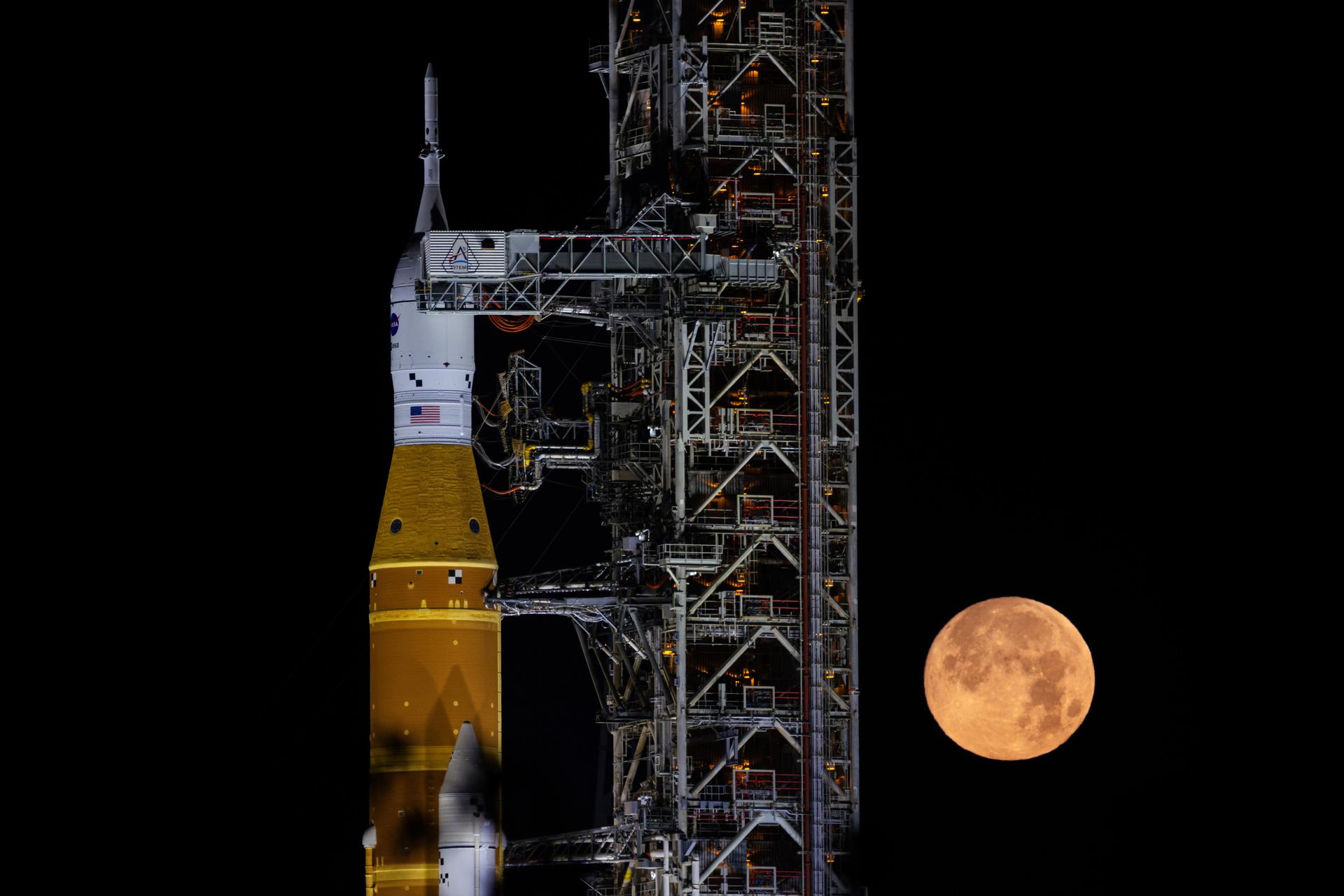
On January 17, 2026, the fully stacked Artemis II system rolled out to Launch Pad 39B on the crawler-transporter — the same pad from which Apollo 10 and Apollo 17 launched.
The mission follows a precise figure-8 route: from Earth into a high-elliptical 24h orbit with proximity ops, then via Trans-Lunar Injection (MTLI) to the Moon, around its far side at 6,400–9,700 km — and back on a free-return trajectory using lunar gravity.
SLS and Orion are the cornerstones of the Artemis program — designed for deep space missions beyond low Earth orbit, with capabilities no other system in the world matches.
The most powerful rocket in NASA history. The core stage is powered by four RS-25 engines — legacy of the Space Shuttle — supplemented by two solid rocket boosters from Northrop Grumman. SLS is the only rocket capable of sending Orion and crew directly to the Moon.
The Orion spacecraft consists of the conical crew module (4 astronauts) and the ESA European Service Module. The ESM provides propulsion, water, air, and power via four solar panels. Currently the only spacecraft certified for deep space human missions.
The AVCOAT ablative heat shield, at 5 m diameter, is the largest of its kind. After Artemis I, spalling was discovered. NASA therefore eliminated skip-entry mode and modified to a steeper entry angle — less time in the critical temperature zone above 2,760°C.
Beyond Earth's magnetic field, astronauts are exposed to cosmic radiation. Orion has radiation monitors, CO₂ scrubbers, and N₂/O₂ atmosphere control. The Advanced Crew Escape System (ACES) enables emergency egress until the last second before launch. Solar superflare activity in 2025–2026 is being monitored.
Unlike Apollo, Artemis is oriented toward a permanent presence on the Moon — with international partners, commercial players, and the long-term goal: Mars.
Successful uncrewed test flight of SLS + Orion with lunar orbit.
First crewed lunar flyby. Systems test in actual deep space.
First Moon landing since 1972. Target: South Pole. Search for water ice.
International space station in lunar orbit. ESA delivers the Lunar I-Hab.
Long-term goal: crewed Mars missions using systems proven at the Moon.
During Artemis I, pieces of the AVCOAT heat shield spalled off. NASA modified the entry profile, eliminating skip re-entry. Extensive stress tests were conducted. NASA is confident the structure remains safe.
Researchers warn of elevated solar superflare activity through mid-2026. Outside Earth's magnetic field, astronauts face significantly elevated radiation exposure. NASA has assessed the risk and is holding to the April launch date.
During the wet dress rehearsal in February 2026: a liquid hydrogen leak and helium issue were discovered in the ICPS stage. Rocket rolled back to the VAB. Launch delayed to earliest April 2026.
The crew will receive radiation doses ISS astronauts have never experienced. Long-term effects on bones, eyes, the immune system, and cognition will be intensively monitored.
Behind the Moon, radio contact with Earth is lost. The crew must act autonomously — without mission control. A rare moment of total isolation in space.
SLS is the most expensive rocket program in history. A single launch costs approx. $2.2 billion USD. SpaceX Starship awaits as a possible successor. Nevertheless: SLS is the only currently available and certified system for this mission.